
2026-09-24 ·
7 Signs Your Well Pump or Pressure Tank May Be Failing
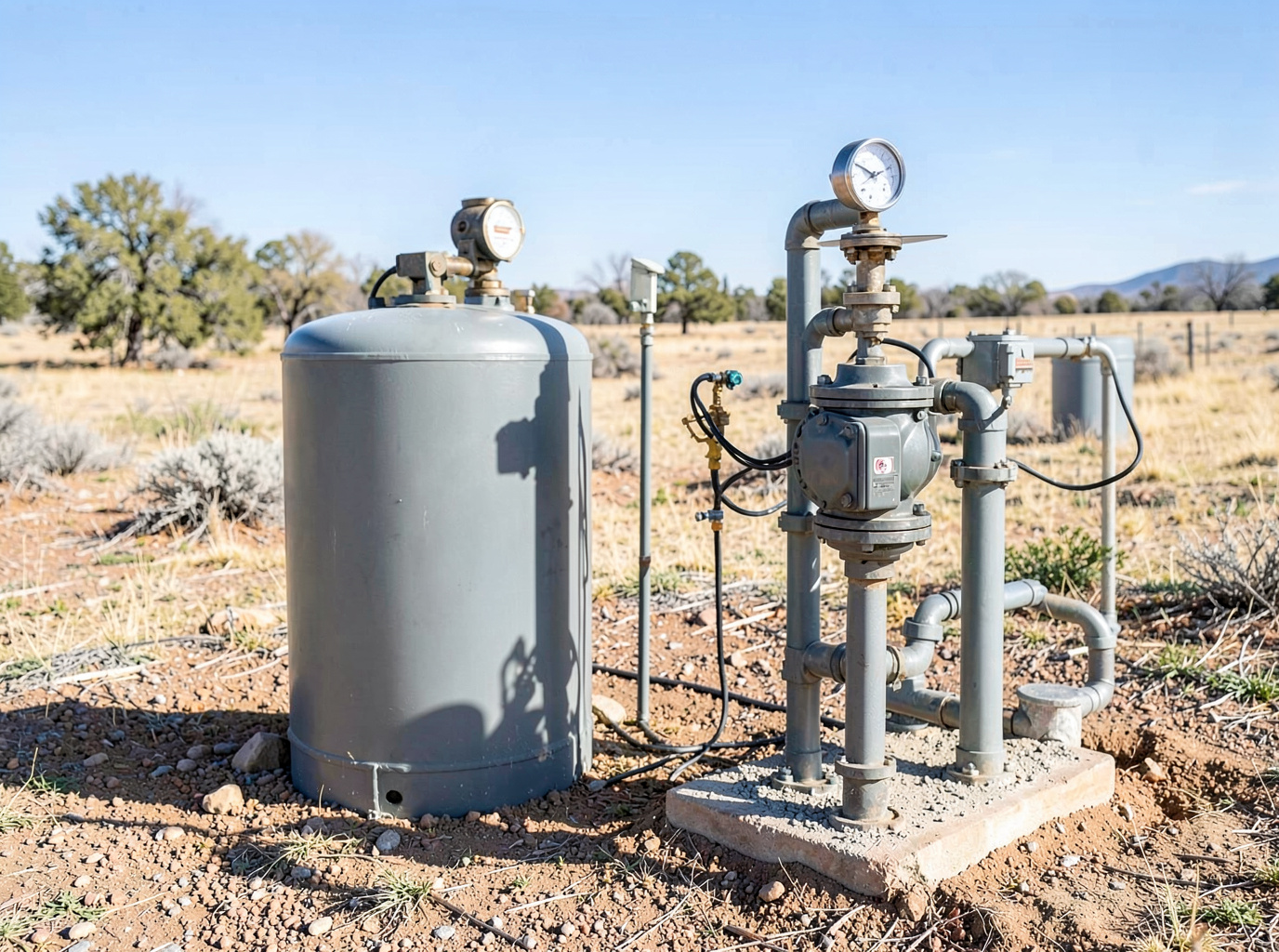
The seven clearest signs your well pump or pressure tank may be failing are inconsistent water delivery, constant pump cycling, unusual noises, air or sediment in the water, rising electric bills, visible pressure tank issues, and complete loss of pressure. These symptoms often appear gradually in Ellensburg-area homes, especially where cold winters and semi-arid conditions stress older systems.
Water Flow and Pressure Problems
Inconsistent water or sudden drops in pressure frequently point to a weakening pump or bladder failure inside the pressure tank. Property owners may notice strong flow at one faucet but weak output elsewhere, or water that stops entirely during peak use. These issues commonly stem from worn impellers, clogged screens, or a pressure tank that no longer maintains proper air charge. A qualified well-pump professional may check the pressure switch settings and tank pre-charge before recommending repair or replacement. In Kittitas County, sediment from local aquifers can accelerate wear on these components, making regular observation important. Well System Diagnostics can pinpoint whether the pump or tank is the primary culprit.
Pump Cycling and Runtime Changes
A pump that turns on and off every few minutes or runs for unusually long periods often indicates a failing pressure tank or leaking check valve. Homeowners may hear the motor activate more frequently than in past seasons, especially after heavy irrigation use. Constant operation raises the risk of overheating and premature motor failure. Simple non-invasive checks include listening for short cycles from a safe distance and noting any drop in household pressure between cycles. When cycling becomes excessive, Emergency No-Water Well Pump Service provides guidance on next steps without requiring homeowners to open electrical boxes.
Noises, Air, and Energy Use
Grinding, humming, or rattling sounds from the well house or pressure tank area usually signal mechanical wear inside the pump or motor bearings. Air sputtering from faucets or cloudy water with fine sediment suggests the pump is drawing air or the tank bladder has ruptured. Both conditions increase electricity consumption as the system works harder to maintain pressure. Property owners should track monthly usage patterns and compare them to prior years. These observations help a technician determine whether targeted Well Pump Repair or full Well Pump Replacement offers the better long-term value.
Pressure Tank Condition and Next Steps
Rust streaks, condensation, or a tank that feels rock-hard when tapped can indicate corrosion or loss of air cushion. A 40-gallon or 80-gallon tank typically lasts 8–12 years before the bladder degrades. When these signs appear alongside any of the previous symptoms, professional diagnosis prevents sudden system shutdown. Factors affecting repair costs include well depth, access, parts availability, and whether the pump is submersible or jet style. General U.S. ranges for common pressure tank work often fall between $400 and $1,500, though local quotes vary. Pressure Tank Repair addresses many of these issues directly. Need help with a well-pump problem in Ellensburg or Kittitas County? Find local well-pump help.